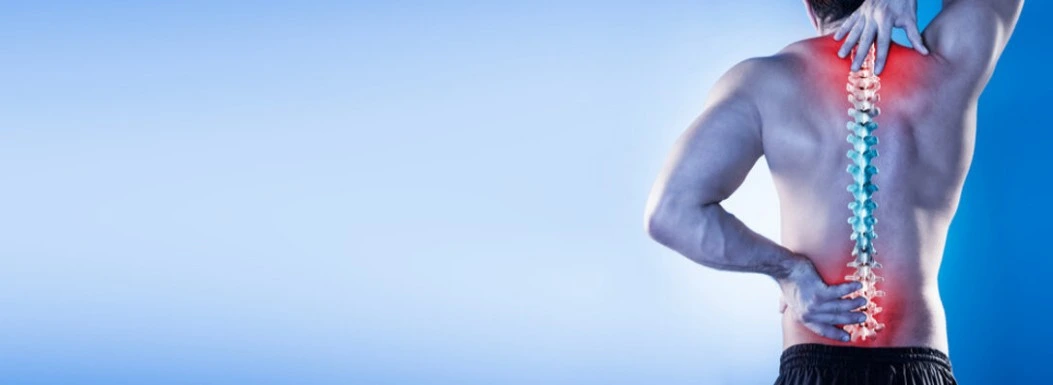
Treatment for Back Pain and Spine Problems
Understanding Spine Problems and Back Pain
The spine is one of the most important structures in the human body. It supports the body's weight, protects the spinal cord, and allows movement such as bending, twisting, and walking. The spine is made up of vertebrae, discs, nerves, and supporting muscles that work together to maintain posture and flexibility. When any part of the spine becomes injured or affected by disease, it can lead to pain, stiffness, or nerve-related symptoms.
At Ravi Ortho & Multispecialty Clinic, patients receive specialized care for spine disorders under the guidance of Dr. J. R. Aakash Kannauh, MBBS., MS Ortho, DNB Ortho. Many individuals searching for Spine Surgery in Perambur visit the clinic for conditions such as slipped discs, spinal nerve compression, and chronic back pain. As a trusted Spine Surgery Hospital in Perambur, the clinic focuses on identifying the root cause of spine problems and recommending appropriate treatment.
Key aspects of spine care
- Detailed evaluation of spine and nerve conditions
- Diagnosis of disc and vertebral problems
- Personalized treatment plans for each patient
- Advanced surgical and non-surgical spine care
- Rehabilitation guidance for recovery
Signs That Your Spine May Need Medical Attention
Back or neck pain is a common health concern, but certain symptoms should not be ignored. Persistent pain, numbness in the arms or legs, or weakness in muscles may indicate pressure on spinal nerves. These symptoms may gradually worsen and interfere with daily activities if the underlying problem is not treated.
Patients experiencing these symptoms often consult the Best Spine Specialist Doctor in Perambur for evaluation. Early diagnosis helps determine whether the condition can be managed with conservative treatments or requires surgical care.
Common warning signs of spine problems
- Persistent lower back or neck pain
- Numbness or tingling in arms or legs
- Pain radiating from the back to the legs
- Muscle weakness affecting movement
- Difficulty walking or standing for long periods
Common Reasons for Spine and Back Pain
Spine disorders may develop due to aging, injuries, poor posture, or degenerative changes in spinal discs. Over time, spinal discs may lose flexibility or become damaged, which can lead to nerve compression and chronic pain. Injuries from accidents or sports activities can also affect the alignment of the spine.
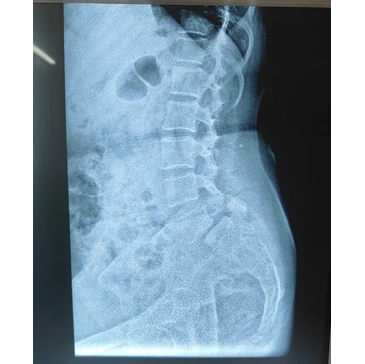
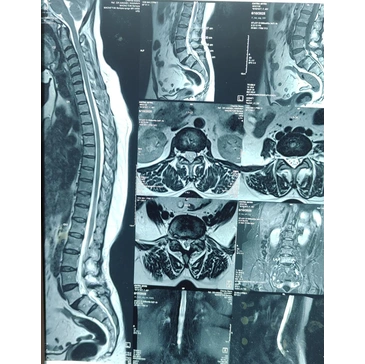
Patients visiting a Spine Surgery Hospital in Perambur usually undergo diagnostic imaging such as X-rays or MRI scans. These tests help doctors identify the exact cause of the spine problem and recommend suitable treatment options.
Frequent causes of spine disorders
- Degenerative disc disease
- Herniated or slipped discs
- Spinal stenosis causing nerve compression
- Injuries affecting spinal bones
- Poor posture during daily activities
When Should You See a Spine Specialist
Occasional back pain may improve with rest or simple treatments. However, if pain continues for several weeks or affects daily activities, it may indicate a more serious spine condition. Consulting a specialist helps ensure proper diagnosis and treatment.
Patients experiencing persistent symptoms may consult the Best Spine Surgeon in Perambur for a detailed examination. Spine specialists assess nerve function, spinal alignment, and imaging results before recommending the best treatment approach.
Situations that require medical consultation
- Back pain lasting more than a few weeks
- Pain spreading to the arms or legs
- Numbness or weakness in limbs
- Difficulty performing routine activities
- Spine pain after injury or accident
Spine Conditions That May Require Surgery
Many spine problems can be treated with medication, physiotherapy, or lifestyle changes. However, surgery may become necessary when nerve compression or structural damage significantly affects mobility or causes severe pain.
Patients consulting the Best Spine Surgeon in Perambur may consider surgery when conservative treatments do not provide relief. Surgical procedures focus on relieving nerve pressure, stabilizing the spine, and improving movement.
Conditions that may require spine surgery
- Herniated disc pressing on nerves
- Severe spinal stenosis
- Spine fractures affecting stability
- Spinal deformities such as scoliosis
- Chronic back pain caused by disc degeneration
Understanding Slipped Disc and Herniated Disc Problems
A slipped disc, also called a herniated disc, occurs when the soft inner part of a spinal disc pushes through its outer layer. This condition can put pressure on nearby nerves and cause symptoms such as severe back pain, numbness, or weakness in the arms or legs. Herniated discs are one of the most common reasons people experience persistent spine pain.
Patients searching for Spine Surgery in Perambur often consult a specialist when slipped disc symptoms begin affecting daily activities. Early diagnosis by the Best Spine Specialist Doctor in Perambur helps determine whether the condition can be managed with non-surgical treatments or if surgery is required to relieve nerve compression.
Common symptoms of a slipped disc
- Severe lower back or neck pain
- Pain spreading to legs or arms
- Tingling or numbness in limbs
- Muscle weakness affecting movement
- Difficulty bending or lifting objects
Treating Sciatica and Nerve Compression
Sciatica occurs when the sciatic nerve, which runs from the lower spine down to the legs, becomes compressed or irritated. This condition often causes pain that travels from the lower back to the buttocks and legs. The pain may feel sharp, burning, or accompanied by numbness.
Patients visiting a Spine Surgery Hospital in Perambur for sciatica usually undergo diagnostic tests to identify the cause of nerve compression. Treatment may involve medication, physiotherapy, or surgical procedures to relieve pressure on the nerve.
Symptoms of sciatica
- Pain traveling from the lower back to the leg
- Tingling or numbness in the leg
- Weakness in leg muscles
- Burning sensation along the nerve path
- Pain while sitting or standing
Spinal Stenosis and Nerve Pressure Treatment
Spinal stenosis is a condition where the spaces within the spine become narrow, putting pressure on spinal nerves. This condition is more common in older adults but can also develop due to injuries or degenerative spine changes. Symptoms may include pain, numbness, and difficulty walking.
Patients consulting the Best Spine Surgeon in Perambur for spinal stenosis receive a thorough evaluation to determine the severity of nerve compression. Treatment options may include physiotherapy, medication, or surgery to create more space around the nerves.
Common symptoms of spinal stenosis
- Back pain during walking or standing
- Numbness or tingling in legs
- Weakness in lower limbs
- Pain relieved by sitting or bending forward
- Difficulty walking long distances
Minimally Invasive Spine Surgery Options
Advancements in medical technology have made spine surgery safer and more precise. Minimally invasive spine surgery uses smaller incisions and specialized instruments to treat spinal conditions while minimizing damage to surrounding tissues. This approach often results in faster recovery and less post-surgical discomfort.
Patients seeking treatment from the Best Spine Surgeon in Perambur may benefit from minimally invasive procedures depending on their condition. These techniques are commonly used to treat slipped discs, spinal stenosis, and nerve compression.
Benefits of minimally invasive spine surgery
- Smaller surgical incisions
- Reduced muscle damage during surgery
- Faster recovery time
- Shorter hospital stay
- Lower risk of complications
Spine Deformity Correction
Spinal deformities such as scoliosis or abnormal spine curvature can affect posture and cause long-term discomfort. These conditions may develop during adolescence or gradually appear later in life due to degenerative changes in the spine.
Patients visiting a Spine Surgery Hospital in Perambur for spine deformities receive a detailed evaluation to assess the severity of spinal curvature. Treatment may involve monitoring, physiotherapy, or surgical correction to improve spinal alignment and reduce pain.
Common spinal deformities
- Scoliosis causing sideways spine curvature
- Kyphosis leading to excessive upper-back curve
- Lordosis causing exaggerated lower-back curve
- Congenital spine deformities present at birth
- Degenerative spine deformities in adults
Step-by-Step Spine Surgery Process for Treating Severe Back and Nerve Problems
Spine surgery is usually recommended when nerve compression, disc damage, or spinal instability causes severe pain or limits movement. Before recommending surgery, doctors perform a detailed evaluation that may include physical examination, MRI scans, CT scans, and review of the patient's medical history. These assessments help determine the exact cause of the spine condition and the most appropriate surgical approach.
During the procedure, the surgeon focuses on relieving pressure on spinal nerves, repairing damaged discs, or stabilizing the spine. Patients undergoing Spine Surgery in Perambur receive treatment that aims to reduce pain, restore nerve function, and improve spinal stability so that daily activities can be performed comfortably.
Key steps involved in the spine surgery process
- Detailed medical evaluation before surgery
- Imaging tests to identify the affected spinal area
- Surgical correction of damaged discs or bones
- Protection of surrounding spinal nerves
- Monitoring after surgery to ensure safe recovery
Important Medical Preparation Before Undergoing Spine Surgery
Preparing properly before surgery helps ensure that the treatment is performed safely and that recovery is smoother. Before the procedure, doctors review the patient's medical history, medications, and diagnostic reports. Blood tests and imaging studies may also be performed to confirm that the patient is ready for surgery.
Patients visiting a Spine Surgery Hospital in Perambur receive clear instructions regarding diet, medications, and hospital admission procedures. Proper preparation reduces surgical risks and helps patients feel more confident about the treatment process.
Common preparation steps before surgery
- Review of medical history and ongoing treatments
- Diagnostic imaging to evaluate spine condition
- Discussion of the procedure and expected results
- Guidance on medication and dietary instructions
- Preparation for hospital admission on surgery day
Recovery Timeline and Healing Process After Spine Surgery
Recovery after spine surgery depends on the type of procedure performed and the patient's overall health condition. In many cases, patients are encouraged to start gentle movement soon after surgery to improve blood circulation and prevent stiffness. Doctors provide clear guidance about physical activity during the healing period.
Patients treated by the Best Spine Specialist Doctor in Perambur usually follow structured recovery plans that include physiotherapy and lifestyle adjustments. These plans help restore spinal strength and allow patients to gradually return to their daily routines.
Important factors influencing recovery
- Type of spine surgery performed
- Patient's overall health and age
- Physiotherapy to strengthen back muscles
- Regular follow-up consultations
- Maintaining proper posture during healing
Safety Measures and Careful Monitoring During Spine Surgery Treatment
Spine surgery requires strict safety protocols to ensure the well-being of the patient. Before surgery, doctors carefully assess the patient's medical condition to determine whether surgical treatment is necessary. This evaluation helps reduce complications and ensures the procedure is appropriate for the condition being treated.
After the procedure, patients are closely monitored for proper healing and nerve function. Individuals receiving treatment from the Best Spine Surgeon in Perambur are given detailed guidance regarding wound care, medications, and follow-up visits to support a safe recovery.
Safety measures followed during treatment
- Comprehensive medical evaluation before surgery
- Use of advanced surgical techniques
- Sterile operating environment to prevent infection
- Continuous monitoring during recovery
- Clear instructions for post-surgical care
Rehabilitation and Physiotherapy Programs That Help Restore Strength After Spine Surgery
Recovery from spine surgery does not end once the procedure is completed. Rehabilitation plays an essential role in helping patients regain strength, flexibility, and normal movement. After surgery, the muscles around the spine may become weak or stiff, and guided physiotherapy helps restore stability and improve overall mobility.
Patients who undergo Spine Surgery in Perambur are usually advised to follow structured rehabilitation programs designed by specialists. These programs gradually improve muscle strength, support spinal alignment, and help patients return to daily activities safely.
Key components of spine rehabilitation
- Gentle exercises to improve spinal movement
- Strengthening of back and core muscles
- Techniques to improve posture and balance
- Monitoring progress during physiotherapy sessions
- Personalized recovery plans for long-term spine health
Lifestyle Changes and Preventive Care to Maintain Long-Term Spine Health
After successful spine treatment, maintaining good spinal health becomes important to prevent future problems. Simple lifestyle habits such as proper posture, regular exercise, and avoiding excessive strain on the back can significantly reduce the risk of recurring spine pain.
Patients treated by the Best Spine Specialist Doctor in Perambur are often guided on maintaining healthy daily routines that protect the spine. These habits help ensure long-term comfort and reduce stress on spinal structures.
Healthy habits that support spine care
- Maintaining proper sitting and standing posture
- Regular stretching and strengthening exercises
- Avoiding heavy lifting without proper support
- Maintaining a healthy body weight to reduce spine pressure
- Seeking medical advice for recurring back pain
Why Many Patients Choose Ravi Ortho & Multispecialty Clinic for Spine Surgery in Perambur
Choosing the right specialist and medical facility is an important step in successful spine treatment. Patients searching for Spine Surgery in Perambur often look for experienced surgeons, accurate diagnosis, and comprehensive care that continues even after surgery.
At Ravi Ortho & Multispecialty Clinic, spine treatment is guided by Dr. J. R. Aakash Kannauh, MBBS., MS Ortho, DNB Ortho, an experienced orthopedic surgeon known for treating complex spine conditions. As a trusted Spine Surgery Hospital in Perambur, the clinic focuses on careful evaluation, advanced treatment options, and long-term follow-up care for patients experiencing spine disorders.
Reasons patients trust our spine care
- Experienced Best Spine Surgeon in Perambur
- Detailed diagnosis before recommending surgery
- Advanced treatment options for spine disorders
- Personalized recovery and rehabilitation plans
- Patient-focused approach to long-term spine health
Common Spine Symptoms and Treatment Approaches Explained
| Symptom | Possible Spine Condition | Treatment Approach |
|---|---|---|
| Persistent lower back pain | Degenerative disc disease | Medication, physiotherapy, or surgery |
| Pain radiating to the legs | Herniated disc | Nerve decompression surgery |
| Numbness or tingling in limbs | Nerve compression | Spine surgery or physiotherapy |
| Difficulty walking long distances | Spinal stenosis | Decompression surgery |
| Abnormal spine curvature | Scoliosis | Monitoring or corrective surgery |
This overview helps patients researching Spine Surgery in Perambur understand how certain symptoms may relate to specific spine conditions and how treatment may be recommended.
Restoring Comfort, Mobility, and Confidence Through Advanced Spine Care
Spine conditions can significantly affect daily life by causing pain, stiffness, or nerve problems that limit movement. Early medical evaluation and appropriate treatment are essential to prevent complications and restore normal spinal function.
At Ravi Ortho & Multispecialty Clinic, patients receive comprehensive care for spine disorders through accurate diagnosis, modern surgical techniques, and structured rehabilitation programs. Under the expertise of Dr. J. R. Aakash Kannauh, patients seeking Spine Surgery in Perambur can expect personalized care aimed at improving mobility and long-term spine health.
If you are experiencing persistent back pain, nerve symptoms, or spine-related discomfort, seeking medical evaluation early can help identify the cause and prevent the condition from worsening.
Contact Ravi Ortho & Multispecialty Clinic today to schedule a consultation with the Best Spine Specialist Doctor in Perambur and receive expert spine care.
Frequently Asked Questions About Spine Surgery
What conditions usually require spine surgery?
Spine surgery may be recommended for conditions such as herniated discs, spinal stenosis, spine fractures, severe scoliosis, and chronic nerve compression that does not improve with conservative treatments.
How do doctors diagnose spine problems before recommending surgery?
Doctors usually perform a detailed clinical examination along with imaging tests such as X-rays, MRI scans, or CT scans to identify the exact cause of spine pain and determine whether surgery is necessary.
Is spine surgery always required for back pain?
No. Many spine conditions can be treated with physiotherapy, medications, or lifestyle modifications. Surgery is usually considered only when non-surgical treatments fail to relieve symptoms or when nerve compression affects mobility.
How long does recovery take after spine surgery?
Recovery time depends on the type of procedure performed and the severity of the condition. Some patients recover within a few weeks, while others may require longer rehabilitation and physiotherapy.
Which doctor should I consult for spine pain or nerve problems?
Patients experiencing persistent back pain, numbness, or weakness in the limbs should consult an experienced Best Spine Surgeon in Perambur or spine specialist for proper diagnosis and treatment.

