
Advanced Precision Orthopaedic Care at Ravi Ortho & Multispecialty Clinic
Robotic-assisted Knee Replacement surgery is an advanced orthopaedic technique designed to improve the precision, accuracy, and outcomes of procedures such as hip and knee replacement. This technology combines surgical expertise with computer-guided systems that help in detailed planning and execution of Knee Replacement procedures. By using robotic assistance, surgeons can achieve better alignment of implants and more accurate positioning, which are essential for long-term joint function.
At Ravi Ortho & Multispecialty Clinic, robotic-assisted surgery is used to enhance the safety and effectiveness of Knee Replacement procedures. This approach allows for customized surgical planning based on the patient's anatomy, ensuring optimal results. With improved precision and minimally invasive techniques, patients often experience better recovery, reduced pain, and improved joint performance.
The following sections explain how robotic technology enhances orthopaedic surgery, its benefits, and when robotic Knee Replacement may be recommended.
How Robotic-Assisted Knee Replacement Works
Robotic-assisted surgery uses advanced imaging and computer technology to create a detailed model of the patient's joint before the procedure. This allows surgeons to plan the surgery with high accuracy, ensuring that the Knee Replacement components are positioned correctly.
During the procedure, the robotic system assists the surgeon by providing real-time guidance and precision control. While the surgeon performs the operation, the robotic technology enhances accuracy and helps avoid unnecessary damage to surrounding tissues.
Key aspects of robotic surgery include
- Pre-surgical planning using advanced imaging
- Real-time guidance during the procedure
- Enhanced precision in implant placement
- Improved alignment of joint components
- Better protection of surrounding tissues
Conditions Treated with Robotic Knee Replacement
Robotic-assisted surgery is commonly used for patients with advanced joint conditions that affect mobility and cause chronic pain. It is especially beneficial in cases where precise implant placement is critical for successful outcomes.
Patients with degenerative joint diseases, severe arthritis, or joint damage that has not responded to conservative treatment may be candidates for robotic-assisted Knee Replacement procedures.
Conditions commonly treated include
- Severe knee osteoarthritis
- Hip joint arthritis and degeneration
- Joint damage due to injury or wear and tear
- Chronic joint pain affecting mobility
- Failed response to non-surgical treatments
Benefits of Robotic Knee Replacement Surgery
Robotic-assisted surgery offers several advantages compared to traditional Knee Replacement procedures. The use of advanced technology allows for more accurate surgical execution and improved patient outcomes.
Patients often benefit from reduced pain, faster recovery, and improved joint function due to precise implant positioning and minimal tissue disruption.
Benefits include
- Greater surgical precision and accuracy
- Improved alignment of joint implants
- Reduced post-operative pain
- Faster recovery and rehabilitation
- Better long-term joint performance
Who May Benefit from Robotic Surgery
Robotic-assisted Knee Replacement may be recommended for patients who have advanced joint damage and require surgical intervention to restore mobility. It is particularly beneficial for individuals seeking improved accuracy and long-term outcomes from their surgery.
A detailed medical evaluation helps determine whether robotic-assisted surgery is the most suitable treatment option based on the patient's condition, lifestyle, and joint health.
Ideal candidates may include
- Patients with severe joint arthritis
- Individuals with chronic joint pain affecting daily life
- Patients requiring precise Knee Replacement procedures
- People not responding to conservative treatments
- Individuals seeking advanced surgical options
Recovery After Robotic Knee Replacement Surgery
Recovery following robotic-assisted Knee Replacement focuses on restoring mobility, strength, and joint function. Because of the precision of the procedure, patients may experience improved early recovery and reduced discomfort.
Physiotherapy and rehabilitation are essential parts of the recovery process. With proper care and medical guidance, patients can gradually return to normal activities and regain independence.
Recovery care includes
- Post-operative monitoring and pain management
- Early mobilization and physiotherapy
- Gradual return to daily activities
- Strengthening and flexibility exercises
- Long-term follow-up for joint function
Accuracy and Precision in Robotic Joint Surgery
One of the key advantages of robotic-assisted procedures is the high level of accuracy achieved during surgery. The technology allows surgeons to plan the procedure in detail and execute it with precision, ensuring correct placement of implants. Proper alignment plays an important role in the long-term success of Knee Replacement and overall joint function.
Improved precision helps reduce uneven wear of the implant and enhances joint stability. This contributes to better functional outcomes and long-term durability of the replaced joint, allowing patients to experience smoother movement and improved comfort.
Key advantages include
- Precise implant positioning for better joint alignment
- Reduced risk of implant misplacement
- Improved long-term joint stability
- Enhanced functional movement after surgery
- Better overall surgical outcomes
Customized Treatment Planning with Robotic Technology
Robotic-assisted surgery allows for personalized treatment planning based on the patient's unique joint structure. Advanced imaging and digital mapping create a detailed model of the joint, helping surgeons tailor the procedure according to individual anatomy.
This customized approach ensures that the implant size, alignment, and positioning are optimized for each patient. Personalized planning improves surgical accuracy and contributes to better recovery and long-term joint performance.
Personalized care includes
- Patient-specific surgical planning
- Detailed mapping of joint anatomy
- Customized implant positioning
- Improved surgical accuracy
- Enhanced recovery outcomes
Reduced Risk of Surgical Complications
Minimally invasive robotic-assisted procedures help reduce the risk of complications compared to conventional surgery. Smaller incisions and precise surgical techniques minimize damage to surrounding tissues, which can lower the chances of infection, bleeding, and post-operative discomfort.
By improving surgical control and accuracy, robotic systems help ensure safer procedures. This leads to a more comfortable recovery experience and reduces the likelihood of complications during the healing process.
Safety benefits include
- Lower risk of infection and complications
- Reduced blood loss during surgery
- Minimal damage to surrounding tissues
- Improved surgical control and safety
- Smoother post-operative recovery
Improved Joint Function and Mobility
Robotic-assisted Knee Replacement is designed to restore natural joint movement and improve overall mobility. Accurate implant placement and proper alignment allow the joint to function more efficiently, reducing pain and improving flexibility.
Patients often experience better walking ability, improved balance, and increased confidence in movement after recovery. With proper rehabilitation, robotic Knee Replacement supports long-term functional improvement and active living.
Functional improvements include
- Better joint movement and flexibility
- Reduced pain during daily activities
- Improved walking and mobility
- Enhanced joint stability
- Support for active lifestyle
Long-Term Outcomes of Robotic Knee Replacement
The long-term success of Knee Replacement surgery depends on accurate implant placement and proper joint alignment. Robotic-assisted procedures enhance these factors, contributing to improved durability and performance of the artificial joint.
With proper follow-up care and rehabilitation, patients can expect long-lasting results and sustained improvement in quality of life. Regular medical monitoring helps ensure the joint continues to function effectively over time.
Long-term benefits include
- Durable and stable Knee Replacement outcomes
- Reduced wear and tear of implants
- Improved longevity of artificial joints
- Consistent joint performance over time
- Better quality of life for patients
Is Robotic Knee Replacement Better Than Traditional Surgery?
Robotic-assisted Knee Replacement offers improved accuracy and precision compared to traditional surgery. The use of computer-guided technology allows surgeons to plan and perform the procedure with better control, ensuring optimal placement of implants and improved joint alignment. This can lead to better functional outcomes and longer-lasting results.
While both robotic and traditional surgeries are effective, robotic-assisted procedures may provide advantages such as reduced tissue damage, improved recovery experience, and more predictable results. The choice of treatment depends on the patient's condition, joint damage, and overall health.
Key differences include
- Higher precision in implant positioning
- Improved joint alignment and stability
- Reduced damage to surrounding tissues
- Faster early recovery in many cases
- More consistent surgical outcomes
Who Is the Right Candidate for Robotic Knee Replacement?
Robotic Knee Replacement is typically recommended for patients with advanced joint damage that significantly affects mobility and quality of life. Individuals with severe arthritis, joint degeneration, or chronic joint pain that does not improve with non-surgical treatment may benefit from this advanced surgical approach.
A detailed clinical evaluation helps determine whether robotic-assisted surgery is suitable for a patient. Factors such as joint condition, activity level, and overall health are considered before recommending the procedure.
Patients who may benefit include
- Individuals with severe knee or hip arthritis
- Patients with chronic joint pain affecting daily life
- Those not responding to medications or physiotherapy
- Patients requiring precise implant alignment
- Individuals seeking advanced surgical treatment options
How Does Robotic Surgery Improve Implant Longevity?
One of the important goals of Knee Replacement surgery is to ensure that the artificial joint lasts for many years without complications. Robotic-assisted surgery improves implant longevity by enabling highly accurate positioning and alignment of joint components. Proper alignment reduces uneven stress on the implant, which helps prevent early wear and loosening.
By minimizing placement errors and ensuring balanced joint movement, robotic technology supports long-term durability of the artificial joint. This leads to better performance of the implant and reduces the likelihood of revision surgery in the future.
Key advantages for implant longevity
- Accurate implant positioning reduces wear
- Balanced joint alignment improves durability
- Lower risk of implant loosening
- Improved long-term joint performance
- Reduced chances of repeat surgery
What Makes Robotic Surgery More Precise Than Manual Techniques?
Robotic-assisted surgery uses advanced computer-guided systems to assist surgeons in performing Knee Replacement procedures with enhanced precision. Unlike manual techniques that rely solely on the surgeon's estimation, robotic systems provide real-time data and guidance during the procedure.
This level of precision helps ensure that bone cuts, implant positioning, and joint alignment are performed accurately according to the surgical plan. As a result, patients benefit from improved surgical outcomes and better joint function after recovery.
Precision-enhancing features include
- Real-time guidance during surgery
- Accurate measurement of joint alignment
- Controlled surgical movements
- Reduced variability in surgical technique
- Enhanced visualization of joint structures
Can Robotic Surgery Help in Faster Functional Recovery?
Recovery after Knee Replacement surgery depends on several factors, including surgical technique and tissue preservation. Robotic-assisted procedures are designed to minimize disruption to surrounding tissues, which can support a smoother recovery process.
Because of precise surgical execution, patients may experience better joint stability and less post-operative discomfort. This allows earlier initiation of physiotherapy and gradual return to daily activities, contributing to improved functional recovery.
Recovery advantages include
- Reduced tissue damage during surgery
- Improved joint stability after procedure
- Early start of rehabilitation programs
- Better mobility during recovery phase
- Enhanced comfort during healing period
Key Advantages of Robotic Knee Replacement Surgery
| Feature | How It Helps | Patient Benefit |
|---|---|---|
| Computer-guided precision | Ensures accurate implant placement | Better joint alignment and function |
| Minimally invasive approach | Smaller incisions and controlled surgery | Less pain and faster recovery |
| Personalized surgical planning | Based on individual joint anatomy | Improved surgical outcomes |
| Real-time surgical guidance | Assists surgeon during procedure | Increased safety and accuracy |
| Reduced tissue damage | Protects surrounding structures | Faster healing and mobility |
How These Advantages Improve Surgical Outcomes
Robotic-assisted Knee Replacement enhances the overall quality of surgery by combining advanced technology with surgical expertise. The ability to plan and execute procedures with high precision ensures that joint components are aligned correctly, which is essential for long-term success.
These advantages not only improve surgical accuracy but also contribute to a smoother recovery experience. Patients often benefit from reduced discomfort, improved mobility, and better long-term joint performance, making robotic surgery a preferred option for advanced joint care.
When Robotic Surgery May Be Recommended
| Patient Condition | Symptoms | Why Robotic Surgery Is Considered |
|---|---|---|
| Severe knee arthritis | Pain, stiffness, reduced mobility | Requires precise Knee Replacement |
| Hip joint degeneration | Difficulty walking, joint pain | Improves implant alignment and function |
| Chronic joint pain | Pain not relieved by treatment | Provides long-term relief through surgery |
| Joint deformity | Misalignment affecting movement | Corrects alignment with accuracy |
| Failed conservative treatment | No improvement with therapy or medication | Advanced surgical option for recovery |
How Doctors Decide the Right Treatment Approach
The decision to proceed with robotic-assisted Knee Replacement is based on a detailed clinical evaluation of the patient's condition. Factors such as the severity of joint damage, level of pain, mobility limitations, and response to previous treatments are carefully considered.
Doctors aim to recommend the most suitable treatment that ensures long-term relief and improved quality of life. Robotic surgery is often chosen when precision and accuracy are critical for achieving the best functional outcomes and restoring joint stability.

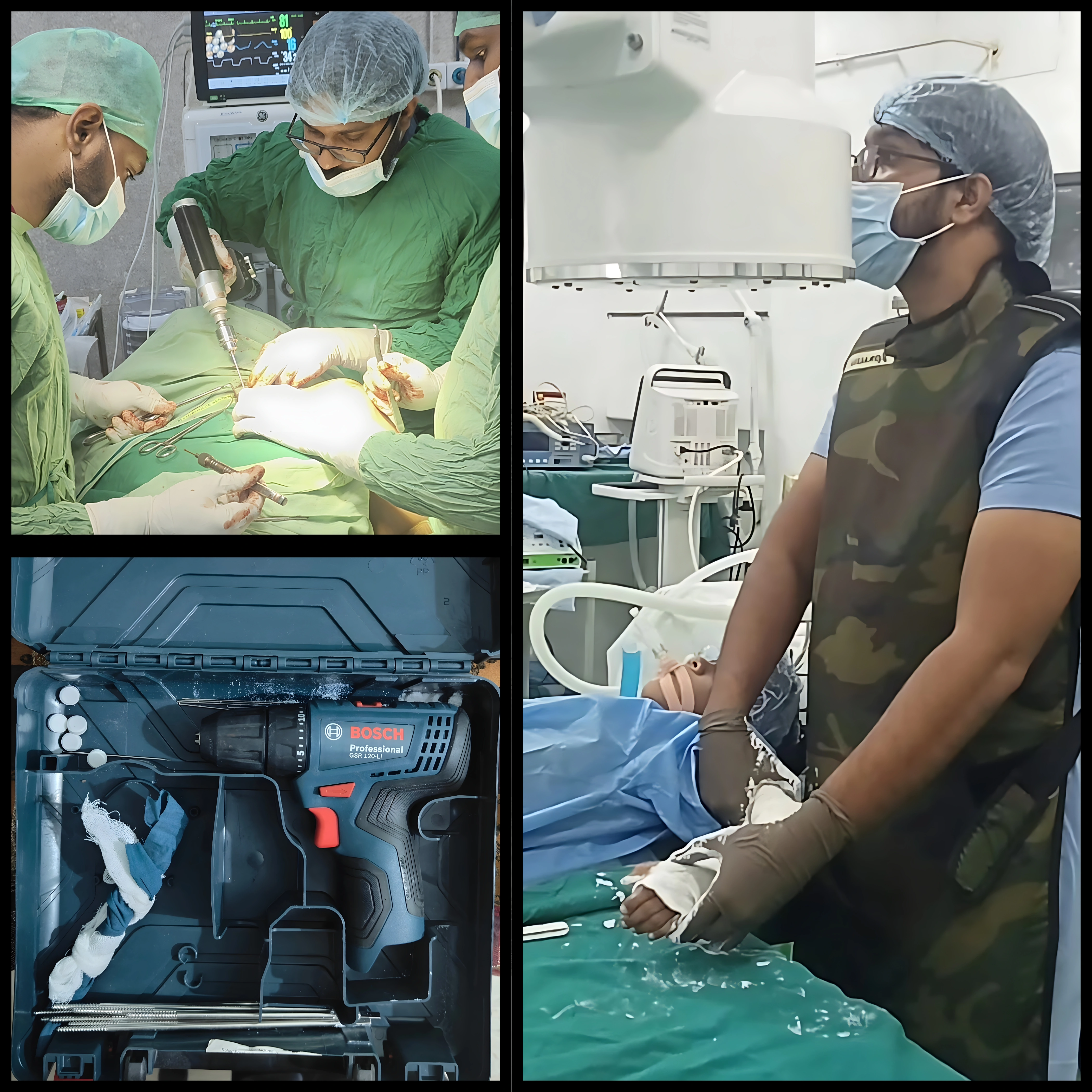
Advanced Precision for Better Mobility and Comfort
Robotic-assisted Knee Replacement surgery offers a modern approach to treating severe joint conditions with greater accuracy, improved implant alignment, and better functional outcomes. With advanced technology supporting surgical precision, patients can experience reduced pain, improved mobility, and a smoother recovery process. Early evaluation and the right treatment approach play a key role in achieving long-term joint health and overall quality of life.
If you are experiencing persistent joint pain or mobility limitations, consult Ravi Ortho & Multispecialty Clinic to explore advanced robotic Knee Replacement options. Book your appointment today and take the first step toward pain-free movement and improved joint function in Perambur.
Frequently Asked Questions
What is robotic Knee Replacement surgery?
Robotic Knee Replacement is an advanced procedure where computer-guided technology assists surgeons in accurately placing joint implants for better alignment and function.
Is robotic surgery more accurate than traditional Knee Replacement?
Yes, robotic-assisted surgery allows precise planning and implant positioning, which can improve joint alignment and overall surgical outcomes.
Who is eligible for robotic Knee Replacement surgery?
Patients with severe knee or hip arthritis, chronic joint pain, or joint damage not responding to non-surgical treatments may be suitable candidates after medical evaluation.
How long does recovery take after robotic Knee Replacement?
Most patients begin walking within a few days and gradually return to daily activities over a few weeks, with full recovery taking a few months depending on rehabilitation.
What are the benefits of robotic Knee Replacement surgery?
Robotic surgery offers better precision, reduced tissue damage, faster recovery, improved joint function, and more consistent long-term results compared to traditional methods.

