
Advanced Hip and Knee Joint Replacement at Ravi Ortho & Multispecialty Clinic
Joint replacement surgery is an advanced orthopaedic procedure recommended for patients experiencing severe joint damage, chronic pain, and reduced mobility due to conditions such as arthritis or joint degeneration. When non-surgical treatments such as medications, physiotherapy, or injections are no longer effective, surgical replacement of the damaged joint can help restore movement and significantly improve quality of life.
At Ravi Ortho & Multispecialty Clinic, comprehensive care is provided for patients suffering from severe hip and knee joint conditions. Joint replacement procedures involve replacing the damaged joint surfaces with specialized medical implants designed to restore stability, reduce pain, and improve functional movement. With modern surgical techniques and structured rehabilitation programs, patients can regain mobility and return to daily activities with improved comfort.
The following sections explain the common joint conditions that may require surgical treatment and the advanced procedures available for restoring hip and knee joint function.
Right Hip Arthritis Treatment in Perambur
Hip arthritis occurs when the cartilage that cushions the hip joint gradually wears down, leading to pain, stiffness, and difficulty moving the joint. Patients with hip arthritis often experience discomfort while walking, standing, or performing everyday activities. Over time, the condition may limit mobility and affect overall quality of life.
Treatment for hip arthritis initially focuses on conservative methods such as medication, physiotherapy, and activity modification. However, when joint damage becomes severe and pain persists despite treatment, surgical intervention may be recommended to restore joint function and relieve chronic discomfort.
Hip arthritis management includes
- Evaluation of hip joint degeneration
- Pain and inflammation management
- Mobility assessment and joint function evaluation
- Monitoring progression of joint damage
- Surgical treatment planning when required
Right Knee Osteoarthritis Treatment in Perambur
Osteoarthritis of the knee is a degenerative joint condition that occurs when the cartilage protecting the knee joint gradually deteriorates. This leads to pain, swelling, stiffness, and reduced joint movement. Patients may experience difficulty climbing stairs, walking long distances, or standing for extended periods.
Early treatment often includes medications, physiotherapy, and joint injections to reduce symptoms. In advanced cases where joint damage significantly affects mobility and daily activities, surgical treatment may be considered to restore joint stability and function.
Knee osteoarthritis care includes
- Diagnosis of cartilage degeneration in the knee joint
- Pain relief and inflammation management
- Assessment of joint movement and stability
- Monitoring progression of knee arthritis
- Evaluation for surgical treatment options
Right Total Hip Replacement Surgery in Perambur
Total hip replacement surgery is performed when the hip joint becomes severely damaged due to arthritis, trauma, or joint degeneration. In this procedure, the damaged portions of the hip joint are replaced with specialized artificial components designed to restore smooth joint movement.
This surgical procedure helps relieve chronic pain, improve mobility, and allow patients to return to daily activities with greater comfort. After surgery, structured rehabilitation and physiotherapy play an important role in restoring joint strength and function.
Hip replacement procedure includes
- Removal of damaged hip joint surfaces
- Placement of artificial hip joint components
- Restoration of hip joint movement
- Post-surgical pain management and monitoring
- Rehabilitation support for mobility recovery
Right Total Knee Replacement Surgery in Perambur
Total knee replacement surgery is recommended for patients with severe knee joint damage that affects mobility and causes persistent pain. The procedure involves replacing the worn cartilage and damaged joint surfaces with artificial components that restore joint stability and movement.
Knee replacement surgery helps reduce chronic pain, correct joint deformity, and improve walking ability. With proper rehabilitation and medical follow-up, most patients can return to normal activities with improved joint function.
Knee replacement procedure includes
- Removal of damaged cartilage and joint surfaces
- Placement of artificial knee joint components
- Restoration of knee alignment and movement
- Post-operative monitoring and recovery care
- Rehabilitation exercises to improve mobility
Joint Replacement Surgery Care in Perambur
Joint replacement surgery is designed to restore the function of severely damaged joints and relieve long-term pain caused by degenerative joint conditions. Advances in orthopaedic techniques allow surgeons to perform these procedures with improved precision and better recovery outcomes.
Comprehensive care includes pre-operative evaluation, surgical treatment, and structured rehabilitation to ensure optimal recovery. Proper follow-up and physiotherapy support help patients regain joint strength, mobility, and independence in daily activities.
Comprehensive joint replacement care includes
- Detailed joint evaluation and surgical planning
- Advanced orthopaedic joint replacement procedures
- Pain management and recovery monitoring
- Physiotherapy and rehabilitation support
- Long-term follow-up for joint health
Causes of Severe Hip and Knee Joint Damage
Joint replacement surgery is commonly recommended when the natural joint structure becomes severely damaged and can no longer function properly. This damage may occur due to long-term cartilage wear, joint degeneration, previous injuries, or inflammatory joint diseases. As the protective cartilage deteriorates, bones begin to rub against each other, leading to persistent pain and reduced movement.
Several conditions can gradually affect the hip and knee joints over time. Identifying the underlying cause helps doctors determine the most appropriate treatment plan and whether surgical replacement is necessary to restore joint function and relieve discomfort.
Common causes of joint damage include
- Long-term cartilage degeneration in weight-bearing joints
- Previous trauma or fracture affecting joint alignment
- Age-related deterioration of joint structures
- Inflammatory joint diseases affecting cartilage
- Progressive wear of the hip or knee joint surfaces
Diagnostic Evaluation Before Joint Replacement Surgery
A detailed diagnostic evaluation is essential before recommending joint replacement surgery. Doctors assess the severity of joint damage through physical examination, imaging studies, and evaluation of mobility limitations. This helps determine the condition of the cartilage, surrounding ligaments, and bone structure.
Diagnostic imaging such as X-rays allows specialists to identify joint space narrowing, bone deformities, and structural changes within the joint. These findings help guide treatment decisions and ensure that the most appropriate surgical approach is chosen for the patient.
Evaluation process includes
- Clinical examination of joint movement and stability
- Imaging assessment to evaluate cartilage damage
- Analysis of joint alignment and bone condition
- Evaluation of walking ability and mobility limitations
- Planning of appropriate surgical treatment
Preparing for Hip or Knee Replacement Surgery
Preparation before joint replacement surgery plays an important role in ensuring a smooth surgical procedure and recovery process. Patients are advised to undergo a pre-operative medical evaluation to assess overall health and identify any conditions that may affect surgery or healing.
Doctors may also provide guidance regarding lifestyle adjustments, strengthening exercises, and medication management before the procedure. Proper preparation helps improve surgical outcomes and supports faster recovery after the joint replacement operation.
Pre-surgical preparation may include
- Medical evaluation and health assessment
- Review of medications and existing medical conditions
- Pre-operative joint strengthening exercises
- Guidance on mobility aids if needed
- Planning for post-surgery rehabilitation
Modern Techniques Used in Joint Replacement Procedures
Advances in orthopaedic surgery have significantly improved the safety and effectiveness of joint replacement procedures. Modern surgical techniques allow damaged joint surfaces to be replaced with precision, helping restore smooth movement and stability in the affected joint.
Specialized implants are designed to mimic the natural movement of the hip or knee joint, allowing improved comfort and mobility after surgery. These innovations have helped improve long-term outcomes and reduce recovery time for many patients undergoing joint replacement procedures.
Modern surgical advancements include
- Precision surgical techniques for joint alignment
- High-quality artificial joint implants
- Improved surgical planning for better outcomes
- Techniques designed to support faster recovery
- Enhanced rehabilitation protocols after surgery
Long-Term Joint Care After Replacement Surgery
After successful joint replacement surgery, maintaining joint health is essential for long-term mobility and comfort. Patients are encouraged to follow rehabilitation programs that help strengthen surrounding muscles and improve joint flexibility. Proper recovery care supports the stability and durability of the artificial joint.
Adopting healthy lifestyle habits also plays an important role in protecting the replaced joint. Regular physical activity, maintaining a healthy weight, and following medical advice can help ensure the artificial joint continues to function effectively for many years.
Long-term care recommendations include
- Following prescribed rehabilitation exercises
- Maintaining muscle strength around the joint
- Avoiding excessive stress on the replaced joint
- Attending regular orthopaedic follow-up visits
- Maintaining an active and healthy lifestyle
Signs You May Need Knee or Hip Replacement
| Symptom | Possible Joint Problem | When Surgery May Be Considered |
|---|---|---|
| Persistent joint pain during walking or standing | Advanced hip or knee arthritis | When pain does not improve with medications or therapy |
| Severe joint stiffness | Degeneration of cartilage | When joint movement becomes significantly limited |
| Difficulty climbing stairs or sitting | Knee joint damage | When daily activities become difficult |
| Chronic pain even during rest | Progressive joint degeneration | When pain affects sleep and comfort |
| Reduced mobility and joint deformity | End-stage arthritis | When conservative treatments no longer provide relief |
Benefits of Joint Replacement Surgery vs Non-Surgical Treatment
| Treatment Approach | Purpose | Expected Outcome |
|---|---|---|
| Medications and physiotherapy | Reduce pain and inflammation | Temporary symptom relief |
| Joint injections | Improve joint lubrication and comfort | Short-term improvement in mobility |
| Lifestyle modifications | Reduce stress on joints | Slows progression of joint damage |
| Joint replacement surgery | Replace damaged joint surfaces | Long-term pain relief and improved movement |
| Rehabilitation after surgery | Strengthen surrounding muscles | Restoration of mobility and daily function |
Hip vs Knee Replacement – When Each Is Needed
| Condition | Hip Replacement | Knee Replacement |
|---|---|---|
| Severe joint arthritis | Recommended when hip cartilage is completely worn out | Recommended when knee cartilage degeneration causes severe pain |
| Difficulty walking | Pain and stiffness in the hip joint affecting walking | Knee pain limiting walking, standing, or climbing stairs |
| Joint damage after injury | Hip fracture or trauma affecting joint stability | Previous knee injury causing long-term joint degeneration |
| Reduced joint movement | Limited hip rotation and stiffness | Restricted knee bending and straightening |
| Persistent pain despite treatment | Hip pain not relieved by medication or physiotherapy | Knee pain that continues despite conservative treatment |
Stages of Joint Arthritis & Treatment Options
| Stage of Arthritis | Joint Condition | Common Treatment Approach |
|---|---|---|
| Early Stage | Mild cartilage wear and occasional joint pain | Lifestyle changes, physiotherapy, and medications |
| Mild Degeneration | Increased joint stiffness and discomfort | Pain management and injection therapies |
| Moderate Arthritis | Cartilage thinning with reduced mobility | Conservative treatments and joint-support therapies |
| Advanced Arthritis | Severe cartilage loss and bone friction | Evaluation for surgical joint replacement |
| End Stage Arthritis | Significant joint deformity and chronic pain | Hip or knee replacement surgery |
Recovery Timeline After Joint Replacement
| Recovery Stage | Expected Progress | Patient Care Guidance |
|---|---|---|
| First Few Days | Initial healing and assisted movement | Pain management and early physiotherapy |
| 2–4 Weeks | Gradual improvement in walking ability | Regular physiotherapy and mobility exercises |
| 4–8 Weeks | Increased joint strength and flexibility | Continued rehabilitation and daily activity practice |
| 2–3 Months | Significant improvement in joint function | Return to most normal daily activities |
| 3–6 Months | Full recovery and improved mobility | Maintain exercise routine and follow medical advice |

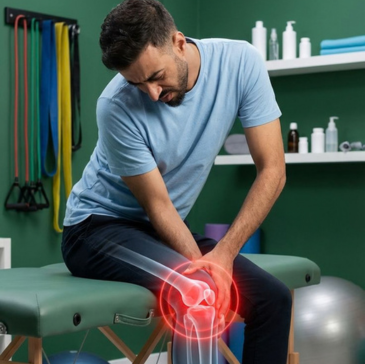
Regain Comfort and Mobility with Advanced Joint Care
Severe hip and knee joint conditions can significantly affect daily movement, comfort, and overall quality of life. When conservative treatments no longer provide relief, joint replacement surgery can help restore joint function, reduce chronic pain, and improve mobility. With accurate diagnosis, advanced surgical techniques, and proper rehabilitation, patients can return to their daily activities with greater comfort and confidence.
If persistent hip or knee pain is affecting your mobility and quality of life, consult the specialists at Ravi Ortho & Multispecialty Clinic. Schedule your consultation today to explore advanced joint replacement treatment and personalized orthopaedic care in Perambur.
Frequently Asked Questions
When is joint replacement surgery recommended?
Joint replacement surgery is usually recommended when severe arthritis or joint damage causes persistent pain, stiffness, and reduced mobility that does not improve with medications, physiotherapy, or injections.
How long does recovery take after hip or knee replacement surgery?
Most patients gradually resume daily activities within a few weeks, while full recovery and improved joint function may take a few months with proper rehabilitation and physiotherapy.
Is joint replacement surgery safe for elderly patients?
Yes, joint replacement surgery is commonly performed in elderly patients with severe arthritis when other treatments are no longer effective. Proper medical evaluation helps determine suitability for the procedure.
What are the benefits of hip or knee replacement surgery?
Joint replacement surgery helps relieve chronic pain, improve joint mobility, correct joint deformity, and allow patients to return to normal daily activities with better comfort.
How do I know if I need hip or knee replacement surgery?
If you experience severe joint pain, stiffness, difficulty walking, or limited movement despite non-surgical treatments, a medical evaluation can determine whether joint replacement surgery is required.

