
Advanced Treatment for Hand Injuries, Nerve Disorders, and Wrist Conditions
Expert Care for Hand Pain, Injuries, and Functional Restoration
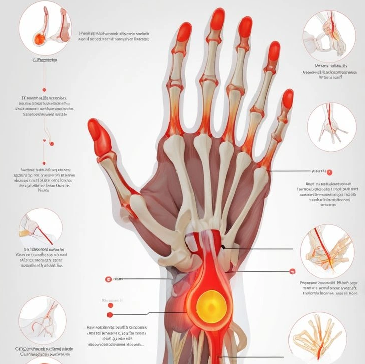
The human hand performs some of the most sophisticated movements in the body, enabling people to grasp objects, perform delicate tasks, and maintain balance and coordination in daily life. This complex structure contains more than two dozen bones supported by ligaments, tendons, muscles, and nerves that work together to provide both strength and flexibility. When any part of this system is injured or affected by disease, it can significantly disrupt everyday activities such as writing, cooking, typing, or lifting objects. Even mild discomfort in the hand can gradually evolve into persistent pain, weakness, or limited movement if the underlying issue remains untreated.
At Ravi Ortho & Multispecialty Clinic, individuals experiencing persistent hand discomfort or injury receive comprehensive orthopaedic evaluation and advanced treatment. Medical care is provided under the guidance of Dr. J. R. Aakash Kannauh, MBBS., MS Ortho., DNB Ortho, who specializes in musculoskeletal trauma and complex joint conditions. Patients seeking reliable hand surgery in Perambur often visit the clinic for conditions involving nerve compression, tendon damage, fractures, or chronic wrist pain. As one of the recognized hand surgery clinics in Perambur, the focus is on identifying the root cause of symptoms and restoring normal hand function through modern orthopaedic techniques and patient-centered care.
Key aspects of specialized hand care
- Detailed assessment of hand, finger, and wrist movement
- Identification of tendon, nerve, and bone injuries
- Evidence-based treatment planning for each condition
- Modern surgical approaches when required
- Rehabilitation support for restoring strength and mobility
Common Symptoms That May Indicate a Hand Condition
Hand disorders often develop gradually and may initially appear as minor discomfort or stiffness. Many individuals delay seeking medical care because early symptoms seem manageable. However, persistent symptoms can indicate underlying problems involving the nerves, tendons, joints, or bones of the hand. Early recognition of these warning signs helps ensure that appropriate treatment begins before the condition worsens.
Pain, tingling, or reduced grip strength can affect productivity and daily activities, especially for individuals who rely heavily on hand movements for work. Consulting experienced doctors for hand pain treatment allows patients to receive a proper diagnosis and determine whether conservative treatment or surgical intervention is required. Prompt medical attention helps prevent long-term complications and supports faster recovery.
Symptoms that should not be ignored
- Persistent pain in the hand or wrist
- Tingling, numbness, or burning sensation in the fingers
- Weak grip strength or difficulty holding objects
- Finger stiffness or reduced range of motion
- Swelling or deformity after an injury
When to Consult a Hand Specialist
Hand discomfort can occur from overuse, repetitive strain, or minor injuries. In many cases, these problems resolve with rest, medication, or physiotherapy. However, when symptoms persist or worsen, it may indicate structural damage or nerve compression that requires specialized care.
Individuals experiencing prolonged pain or functional limitations should consult experienced hand surgeons in Perambur for further evaluation. Early diagnosis ensures that treatment begins before the condition interferes with normal hand movement or causes permanent damage. A thorough examination helps determine whether the problem involves bones, tendons, ligaments, or nerves and guides the most effective treatment approach.
Situations where specialist consultation is beneficial
- Severe pain following a fall or accident
- Difficulty bending or straightening the fingers
- Persistent numbness or tingling sensations
- Reduced hand strength affecting daily tasks
- Swelling or stiffness that does not improve with rest
Conditions That May Require Hand Surgery
A variety of injuries and medical conditions can affect the structures within the hand. Some conditions arise gradually due to repetitive motion, while others occur suddenly as a result of trauma. Determining the severity of the condition is important because some problems respond well to conservative treatment, while others require surgical repair to restore normal function.
Surgical intervention is generally considered when structural damage prevents normal movement or when nerve compression causes persistent symptoms. In these situations, hand surgery in Perambur may be recommended to repair injured tissues, relieve pressure on nerves, or stabilize fractured bones. The goal of surgical care is to restore mobility, reduce pain, and allow patients to return to their normal activities.
Conditions commonly managed through surgical care
- Carpal tunnel syndrome causing nerve compression
- Tendon injuries affecting finger movement
- Hand and finger fractures due to trauma
- Trigger finger leading to finger locking
- Ligament injuries affecting wrist stability
Understanding Carpal Tunnel Syndrome
Carpal tunnel syndrome is one of the most frequently treated conditions affecting the hand and wrist. It occurs when the median nerve becomes compressed as it travels through a narrow passage in the wrist known as the carpal tunnel. This pressure can cause symptoms such as numbness, tingling, burning sensation, and weakness in the hand. Many individuals first notice these symptoms while performing repetitive tasks such as typing or holding tools for extended periods.
When conservative treatment methods fail to relieve symptoms, surgical release of the carpal tunnel may be recommended. The procedure aims to relieve pressure on the nerve by enlarging the space within the wrist canal. Once the nerve is decompressed, symptoms such as pain and numbness typically improve over time, allowing patients to regain strength and mobility in the hand.
Key aspects of treatment
- Clinical evaluation of nerve compression symptoms
- Diagnostic testing to confirm the condition
- Surgical release to relieve nerve pressure
- Pain management during the recovery period
- Rehabilitation exercises to restore hand strength
Conditions That May Require Hand Surgery
Hand problems can arise from a variety of causes, including trauma, repetitive strain, inflammatory conditions, or degenerative joint disorders. In many cases, symptoms begin gradually with mild discomfort but can worsen over time if the underlying cause is not addressed. Persistent pain, restricted finger movement, or nerve-related symptoms often indicate structural issues affecting tendons, bones, ligaments, or nerves.
Patients searching online for hand surgery in Perambur often do so when conservative treatments such as medication, splints, or physiotherapy no longer provide relief. Surgical treatment is typically considered when structural damage prevents normal movement or when nerve compression causes ongoing symptoms. At Ravi Ortho & Multispecialty Clinic, careful evaluation helps determine the most appropriate treatment approach for each patient.
Common conditions that may require surgical care
- Carpal tunnel syndrome, causing nerve compression in the wrist
- Tendon injuries affecting finger movement and strength
- Fractures involving the hand or finger bones
- Trigger finger leading to finger locking or stiffness
- Wrist ligament injuries causing joint instability
Types of Hand Surgery Procedures
Patients frequently search for information about the different procedures used to treat hand conditions. The type of surgery recommended depends on the specific problem affecting the hand. Some procedures focus on repairing damaged tendons or nerves, while others stabilize fractured bones or relieve pressure on compressed nerves.
Modern surgical techniques aim to restore normal hand function while minimizing recovery time. Experienced hand surgeons in Perambur carefully plan each procedure to ensure that the affected structures are repaired accurately and that surrounding tissues remain protected. The ultimate goal of these procedures is to relieve pain, improve mobility, and restore the strength required for everyday activities.
Common hand surgery procedures include
- Carpal tunnel release to relieve nerve compression
- Tendon repair for restoring finger movement
- Fracture fixation for stabilizing broken bones
- Trigger finger release to improve tendon movement
- Ligament reconstruction for restoring joint stability
How Hand Surgeons Diagnose Hand Injuries
Accurate diagnosis is essential before recommending any surgical treatment. Patients visiting hand surgery clinics in Perambur undergo a detailed clinical evaluation to determine the exact cause of their symptoms. Doctors carefully assess hand movement, nerve function, grip strength, and joint stability to understand the extent of the problem.
Diagnostic imaging and specialized tests may also be used to confirm the diagnosis. These tests help identify fractures, tendon injuries, ligament damage, or nerve compression that may not be visible during a physical examination. By combining clinical assessment with diagnostic tools, doctors can design an effective treatment plan tailored to each patient's condition.
Diagnostic methods commonly used
- Physical examination of hand and wrist movement
- Imaging tests to detect bone or joint injuries
- Nerve conduction studies for nerve compression
- Ultrasound or imaging to assess tendon injuries
- Functional assessment of grip strength and mobility
When Hand Surgery Becomes the Best Treatment Option
Many patients initially try non-surgical treatments such as medication, splints, or physiotherapy to manage hand pain. While these approaches are effective for certain conditions, they may not provide sufficient relief when structural damage is present. Persistent symptoms that affect daily activities may indicate that surgical treatment is the most effective option.
Doctors typically recommend surgery only after a careful evaluation of symptoms and diagnostic results. Individuals consulting doctors for hand pain treatment often reach this stage when pain, weakness, or numbness continues despite conservative care. Surgical intervention aims to correct the underlying problem so that patients can regain comfortable hand movement and function.
Situations where surgery may be recommended
- Persistent pain that does not improve with conservative treatment
- Loss of finger movement or reduced grip strength
- Nerve compression causing numbness or tingling
- Fractures that cannot heal properly without stabilization
- Tendon injuries are preventing normal finger movement
How Hand Surgery Procedures Are Performed
Hand surgery procedures are carefully planned to address the specific structure affected by injury or disease. Because the hand contains delicate nerves, tendons, and joints in a small area, surgical precision is essential. Before the procedure begins, surgeons perform a detailed diagnostic evaluation and imaging studies to understand the exact location and severity of the condition.
During surgery, the goal is to repair or restore the damaged structures while preserving surrounding tissues. Depending on the condition, procedures may involve releasing compressed nerves, repairing torn tendons, stabilizing fractured bones, or reconstructing injured ligaments. Patients undergoing hand surgery in Perambur are treated using modern orthopaedic techniques designed to improve functional recovery and minimize complications.
Key steps involved in surgical treatment
- Detailed diagnostic evaluation before surgery
- Careful planning based on the affected structure
- Precise repair of damaged tendons, nerves, or bones
- Protection of surrounding tissues during the procedure
- Post-surgical care to support healing and recovery
Preparing for Hand Surgery
Preparing for surgery is an important step in ensuring a smooth and successful treatment process. Patients are usually advised to undergo a detailed medical evaluation before the procedure. This evaluation helps doctors understand the patient's overall health condition and identify any factors that may affect recovery.
Doctors also provide specific instructions regarding medications, lifestyle adjustments, and preparation for the day of surgery. Individuals visiting hand surgery clinics in Perambur receive guidance on how to prepare physically and mentally for the procedure so that recovery can begin smoothly after treatment.
Important preparation steps
- Pre-surgical medical evaluation and diagnostic testing
- Review of medications and existing medical conditions
- Guidance on fasting before surgery if required
- Planning for post-surgery care and assistance
- Understanding the procedure and recovery expectations
Recovery Time After Hand Surgery
Recovery after hand surgery varies depending on the type of procedure performed and the severity of the condition being treated. Minor procedures may allow patients to resume light activities within a few weeks, while more complex surgeries involving bones, nerves, or tendons may require longer healing periods. During the recovery phase, doctors closely monitor healing progress to ensure the surgical repair remains stable.
Rehabilitation plays a key role in restoring flexibility and strength in the hand. Patients often undergo physiotherapy exercises designed to gradually improve mobility and coordination. Individuals consulting hand surgeons in Perambur receive structured recovery guidance that helps them return to normal activities safely and comfortably.
Important aspects of the recovery phase
- Monitoring of wound healing after surgery
- Gradual return to normal hand movement
- Physiotherapy exercises to improve flexibility
- Strength training for fingers and wrist
- Follow-up consultations to track recovery progress
Understanding Possible Risks and How They Are Carefully Managed
Like any surgical procedure, hand surgery carries certain risks. However, these risks are carefully minimized through proper planning, surgical expertise, and post-operative care. Modern orthopaedic techniques and sterile surgical environments significantly reduce the likelihood of complications.
Patients receiving treatment from experienced hand surgeons in Perambur are closely monitored before and after surgery to ensure safe recovery. Doctors provide detailed instructions on wound care, medication, and activity restrictions to prevent complications and support proper healing.
Measures used to ensure patient safety
- Detailed evaluation before surgery
- Use of advanced surgical techniques
- Strict sterile surgical environment
- Monitoring during the recovery period
- Clear guidance on post-operative care
Common Hand Conditions and Surgical Treatment Options
| Hand Condition | Typical Symptoms | Surgical Procedure | Expected Recovery Period |
|---|---|---|---|
| Carpal Tunnel Syndrome | Numbness, tingling, weakness in fingers | Carpal tunnel release surgery | 3–6 weeks |
| Tendon Injury | Difficulty bending or straightening fingers | Tendon repair surgery | 6–12 weeks |
| Hand Fracture | Pain, swelling, and bone misalignment | Fracture fixation or stabilization | 6–8 weeks |
| Trigger Finger | Finger locking or stiffness | Trigger finger release procedure | 2–4 weeks |
| Nerve Injury | Loss of sensation or weakness | Nerve repair surgery | Several weeks to months |
This table provides a quick overview for patients researching hand surgery in Perambur and helps them understand how different conditions are treated and how recovery timelines may vary.

If you are experiencing persistent hand pain, numbness, finger stiffness, or difficulty using your hand after an injury, seeking timely medical care can help prevent the condition from worsening.
Contact Ravi Ortho & Multispecialty Clinic today to schedule a consultation and receive expert evaluation for hand surgery in Perambur.
Frequently Asked Questions About Hand Surgery
What conditions commonly require hand surgery?
Hand surgery may be recommended for conditions such as carpal tunnel syndrome, tendon injuries, nerve compression, fractures affecting the hand or fingers, trigger finger, and ligament injuries that affect wrist stability. Surgery is usually considered when non-surgical treatments do not provide adequate relief or when structural damage affects normal hand movement.
How do doctors diagnose hand problems before recommending surgery?
Diagnosis typically begins with a detailed clinical examination to evaluate hand movement, grip strength, nerve function, and joint stability. Imaging tests such as X-rays or ultrasound scans may be used to identify fractures or tendon injuries, while nerve conduction studies help confirm nerve compression conditions.
How long does recovery take after hand surgery?
Recovery time varies depending on the type of surgery performed and the severity of the condition. Minor procedures may require only a few weeks of healing, while surgeries involving tendons, nerves, or fractures may require a longer recovery period along with physiotherapy.
Is surgery always necessary for hand pain?
No. Many hand conditions can improve with conservative treatments such as medication, splints, physiotherapy, and lifestyle adjustments. Surgery is usually recommended only when these treatments do not relieve symptoms or when structural damage requires surgical repair.
Which specialist should I consult for persistent hand pain?
Patients experiencing ongoing hand pain, numbness, stiffness, or difficulty moving their fingers should consult experienced orthopaedic specialists or hand surgeons in Perambur for accurate diagnosis and appropriate treatment.

