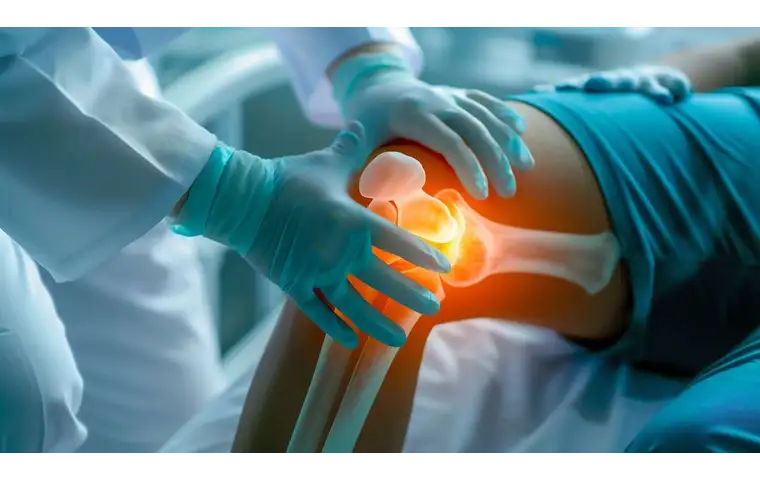
Advanced Bone Tumor Treatment and Musculoskeletal Cancer Care
Orthopedic oncology focuses on diagnosing and treating tumors that affect bones and surrounding soft tissues such as muscles, ligaments, and connective structures. These tumors may be benign, meaning they do not spread to other parts of the body, or malignant, which require specialized treatment to control or remove cancerous cells. Because bones and joints play a vital role in movement and body support, early identification and treatment are essential to protect mobility and prevent complications.
At Ravi Ortho & Multispecialty Clinic, patients receive focused care for bone and soft-tissue tumors through detailed evaluation and individualized treatment planning. The service is guided by Dr. J. R. Aakash Kannauh, MBBS., MS Ortho, DNB Ortho, an experienced Orthopedic Surgeon in Perambur who manages complex musculoskeletal conditions. Patients searching for orthopedic oncology in Perambur often visit the clinic when persistent bone pain, swelling, or unexplained lumps require expert evaluation. Through comprehensive care at a trusted orthopedic clinic in Perambur, the goal is to diagnose tumors accurately and guide patients toward safe and effective treatment.
Key aspects of orthopedic oncology care
- Evaluation of bone and soft-tissue abnormalities
- Diagnosis of benign and malignant bone tumors
- Individualized treatment planning for each patient
- Surgical and non-surgical tumor management
- Rehabilitation support for restoring mobility
Symptoms That May Indicate Bone or Soft-Tissue Tumors
Tumors affecting bones or surrounding tissues may initially produce mild symptoms that gradually become more noticeable. Persistent bone pain that does not improve with rest or standard treatment is often one of the earliest warning signs. In some cases, patients may also notice swelling near a joint, tenderness in a specific bone area, or reduced mobility in the affected limb.
These symptoms can be associated with various musculoskeletal conditions, but they should always be evaluated carefully. Consulting an oncologist, surgeon, or orthopedic surgeon in Perambur allows patients to receive a detailed clinical examination and diagnostic imaging when necessary. Early evaluation helps determine whether the symptoms are related to a tumor or another orthopedic condition.
Common warning signs
- Persistent bone pain that gradually worsens
- Swelling or lump near a bone or joint
- Pain that increases during night or rest
- Reduced movement in a nearby joint
- Unexplained bone weakness or fractures
Risk Factors That May Contribute to Bone Tumors
Although the exact cause of many bone tumors is not always known, certain factors may increase the likelihood of abnormal bone growth. Some tumors develop due to genetic influences, while others may appear following previous radiation exposure or underlying bone disorders. Understanding these factors can help doctors identify individuals who may require closer monitoring.
Patients visiting an orthopedic clinic in Perambur for persistent bone discomfort often undergo diagnostic evaluation to determine whether symptoms are associated with tumors or other musculoskeletal problems. Early identification of risk factors helps guide further testing and ensures that treatment begins at the right time.
Possible risk factors
- Genetic conditions affecting bone growth
- Previous radiation therapy to the bones
- Abnormal bone development disorders
- Family history of certain bone tumors
- Long-standing unexplained bone pain
When to Consult an Orthopedic Oncology Specialist
Many people initially assume that bone pain or swelling is caused by a minor injury or muscle strain. However, when symptoms persist for several weeks or gradually worsen, it becomes important to seek professional evaluation. An orthopedic oncology specialist focuses specifically on conditions involving bone tumors and soft-tissue tumors.
Consulting an experienced orthopedic surgeon in Perambur allows patients to receive a thorough examination, including imaging studies or biopsy when required. Early consultation helps determine whether the condition involves benign tumors, malignant tumors, or another orthopedic issue that requires specialized care.
Situations where specialist consultation is recommended
- Bone pain lasting longer than expected after injury
- Swelling near bones that continues to grow
- Sudden fractures without major trauma
- Persistent joint stiffness associated with pain
- Unusual lumps in muscles or soft tissues
Conditions Managed in Orthopedic Oncology
Orthopedic oncology specialists treat a wide range of conditions affecting bones and soft tissues. Some tumors are benign and may require observation or minor procedures, while others are malignant and require more advanced treatment strategies. The management approach depends on the tumor's size, location, and biological behavior.
Patients seeking bone tumor treatment in Perambur receive individualized care based on careful diagnostic evaluation. Treatment planning focuses on removing or controlling the tumor while preserving bone strength and joint function whenever possible.
Common conditions treated
- Benign bone tumors such as osteochondroma
- Malignant bone tumors, including osteosarcoma
- Soft-tissue tumors affecting muscles and ligaments
- Bone cysts that weaken structural stability
- Metastatic tumors that spread to bones
How Bone Tumors Are Diagnosed
Accurate diagnosis is the first and most important step in orthopedic oncology. When patients report persistent bone pain, swelling, or unusual growths, doctors perform a detailed clinical examination to understand the location and characteristics of the symptoms. Diagnostic imaging techniques such as X-rays, CT scans, or MRI scans help visualize the affected bone or surrounding tissues and identify abnormal growth patterns.
In some situations, additional tests such as a biopsy may be recommended to determine whether a tumor is benign or malignant. Patients visiting an orthopedic clinic in Perambur for suspected bone tumors receive careful evaluation to ensure that the diagnosis is precise before treatment begins. This step helps doctors design a treatment plan that addresses the condition effectively while protecting healthy tissues.
Key elements of the diagnostic process
- Clinical examination of bone and joint structures
- Imaging studies such as X-rays or MRI scans
- Biopsy to identify tumor type when necessary
- Laboratory investigations to support diagnosis
- Careful assessment before planning treatment
Treatment Approaches for Benign Bone Tumors
Benign bone tumors are non-cancerous growths that often develop slowly and may not spread to other parts of the body. In many cases, these tumors are discovered during imaging performed for unrelated reasons. Some benign tumors require only regular monitoring, while others may need treatment if they cause pain, weaken the bone, or affect joint movement.
Treatment options depend on the tumor's location and size. Patients receiving care from an orthopedic surgeon in Perambur may undergo procedures that remove the tumor while preserving the surrounding bone structure. The goal of treatment is to relieve symptoms and prevent future complications without affecting mobility.
Common treatment methods
- Monitoring of small, stable tumors
- Surgical removal of symptomatic tumors
- Bone reconstruction when required
- Pain management during recovery
- Follow-up imaging to monitor bone health
Management of Malignant Bone Tumors
Malignant bone tumors require specialized care because these tumors can grow aggressively and may spread to nearby tissues or other parts of the body. Early diagnosis plays an important role in improving treatment outcomes. Management typically involves a combination of surgical procedures and coordinated medical care to control tumor growth and preserve limb function.
Patients diagnosed with malignant bone tumors are guided through a structured treatment plan developed by an oncologist, surgeon, or doctor in collaboration with orthopedic specialists. At an orthopedic clinic in Perambur, treatment focuses on removing cancerous tissue while protecting surrounding bones, muscles, and joints as much as possible.
Key aspects of malignant tumor management
- Detailed evaluation of tumor size and location
- Surgical removal of cancerous bone tissue
- Careful preservation of surrounding structures
- Coordination with oncology specialists when required
- Long-term monitoring after treatment
Treatment for Soft-Tissue Tumors
Soft-tissue tumors develop in muscles, ligaments, tendons, or connective tissues surrounding bones. These tumors may appear as painless lumps at first, but they can gradually increase in size and begin affecting nearby structures. Early evaluation helps determine whether the tumor is benign or requires further medical attention.
Treatment for soft-tissue tumors depends on the tumor type and its position within the body. Patients consulting an orthopedic surgeon in Perambur for these conditions receive individualized treatment plans designed to remove the tumor safely while maintaining muscle function and joint movement.
Approaches to managing soft-tissue tumors
- Clinical examination of soft-tissue masses
- Imaging studies to determine tumor boundaries
- Surgical removal of suspicious growths
- Careful preservation of surrounding tissues
- Monitoring after treatment for recurrence
Limb-Preserving Tumor Surgery
Modern orthopedic oncology focuses on preserving the patient's limb whenever possible while removing the tumor effectively. Advances in surgical techniques allow surgeons to remove diseased tissue while reconstructing the affected bone or joint to maintain normal function. This approach is often referred to as limb-preserving or limb-sparing surgery.
Patients undergoing orthopedic oncology in Perambur may benefit from these advanced techniques when tumors are detected at an early stage. Limb-preserving surgery helps maintain mobility and improves quality of life by avoiding unnecessary removal of the limb whenever safe and medically appropriate.
Benefits of limb-preserving surgery
- Removal of tumors while maintaining limb function
- Reconstruction of affected bones or joints
- Preservation of surrounding muscles and nerves
- Improved long-term mobility outcomes
- Rehabilitation programs after surgery
How Orthopedic Oncology Surgery Is Performed
Orthopedic oncology surgery is designed to remove tumors affecting bones or surrounding tissues while preserving as much healthy structure as possible. The procedure begins with careful surgical planning based on imaging results and diagnostic findings. Doctors study the tumor's location, size, and relationship with nearby muscles, nerves, and joints before deciding on the most appropriate surgical technique.
During the procedure, the surgeon focuses on removing the tumor completely while maintaining stability in the affected bone or joint. In many cases, reconstructive techniques may be used to support the bone after tumor removal. Patients receiving orthopedic oncology in Perambur benefit from procedures aimed at restoring function and reducing the risk of tumor recurrence.
Key steps involved in surgery
- Detailed surgical planning using imaging results
- Precise removal of tumor tissue
- Protection of surrounding nerves and muscles
- Reconstruction of affected bone when required
- Monitoring immediately after the procedure
Preparing for Bone Tumor Surgery
Proper preparation before surgery helps improve treatment outcomes and supports smoother recovery. Before performing the procedure, doctors review the patient's medical history and conduct necessary tests to confirm that the individual is medically fit for surgery. Imaging reports and biopsy results are carefully analyzed to finalize the treatment approach.
Patients undergoing treatment at an orthopedic clinic in Perambur also receive guidance on preparing physically and mentally for the procedure. Clear instructions about medications, diet, and hospital admission help ensure that the surgery can be performed safely and efficiently.
Important preparation steps
- Pre-surgical health assessment and medical review
- Imaging and diagnostic test evaluation
- Discussion of treatment plan with the surgeon
- Medication guidance before surgery
- Instructions for hospital admission and recovery
Recovery After Bone Tumor Surgery
Recovery following orthopedic oncology surgery varies depending on the type of tumor and the complexity of the procedure performed. During the initial stage of recovery, patients are monitored carefully to ensure that the surgical site heals properly and that there are no complications. Pain management and wound care are important parts of this early phase.
Gradually, patients are encouraged to begin controlled movements to restore mobility in the affected limb. Patients treated by an orthopedic surgeon in Perambur receive structured follow-up care designed to support healing and monitor recovery progress over time.
Factors influencing recovery
- Size and location of the tumor removed
- Type of reconstructive procedure performed
- Overall health of the patient
- Adherence to rehabilitation guidance
- Regular medical follow-up visits
Possible Risks and How They Are Carefully Managed
Like any surgical procedure, orthopedic oncology surgery carries certain risks. However, careful planning and modern surgical techniques significantly reduce the likelihood of complications. Doctors perform detailed pre-operative assessments to identify potential health concerns and ensure that the procedure is carried out safely.
After surgery, patients are closely monitored for signs of infection, delayed healing, or other complications. Patients receiving care from an oncologist, surgeon, or doctor are given clear instructions regarding medication, wound care, and follow-up visits to support a safe and steady recovery.
Safety measures during treatment
- Comprehensive medical evaluation before surgery
- Use of advanced surgical techniques
- Sterile operating environment to prevent infection
- Continuous monitoring after the procedure
- Post-surgical care instructions for patients
Rehabilitation After Orthopedic Oncology Treatment
Recovery from orthopedic oncology surgery often continues beyond the hospital stay. Once the surgical site begins healing, rehabilitation becomes an essential part of restoring strength and movement in the affected limb. Rehabilitation programs focus on improving flexibility, rebuilding muscle strength, and gradually helping patients return to normal physical activities.
Patients receiving orthopedic oncology in Perambur are typically guided through structured physiotherapy programs that are tailored to the type of surgery performed. These exercises help restore joint movement, improve balance, and support the long-term stability of the treated bone or limb.
Key components of rehabilitation
- Guided physiotherapy to restore joint movement
- Strengthening exercises for surrounding muscles
- Gradual return to daily physical activities
- Monitoring of recovery progress by specialists
- Personalized rehabilitation programs for mobility
Maintaining Bone Health After Tumor Treatment
After treatment for bone or soft-tissue tumors, maintaining overall bone health becomes important for long-term recovery. Healthy bones support mobility and reduce the risk of future complications. Patients are often advised to follow a balanced lifestyle that supports bone strength and musculoskeletal health.
Individuals treated at an orthopedic clinic in Perambur may receive guidance on diet, physical activity, and regular medical follow-up. Maintaining healthy bones through proper care helps patients regain confidence in movement and maintain an active lifestyle after treatment.
Important measures for bone health
- Balanced nutrition that supports bone strength
- Regular low-impact physical activity
- Avoiding excessive strain on healing bones
- Routine follow-up examinations
- Early medical evaluation for new symptoms
Common Bone Tumor Symptoms and Treatment Overview
| Symptom | Possible Condition | Treatment Approach |
|---|---|---|
| Persistent bone pain | Benign or malignant bone tumor | Diagnostic imaging and tumor removal if required |
| Swelling near a bone or joint | Soft-tissue tumor | Surgical removal or monitoring |
| Sudden unexplained fracture | Bone weakened by a tumor | Surgical stabilization and treatment |
| Lump in muscles or soft tissue | Soft-tissue growth | Clinical evaluation and surgical excision |
| Limited movement in a joint | Tumor affecting surrounding structures | Tumor removal and rehabilitation |
This overview helps patients researching orthopedic oncology in Perambur understand how symptoms may relate to underlying bone or soft-tissue conditions and the possible treatment approaches recommended by specialists.
Supporting Recovery and Long-Term Mobility
Orthopedic oncology treatment aims not only to remove tumors but also to help patients maintain mobility and quality of life. Early diagnosis, precise surgical techniques, and structured rehabilitation all contribute to improved outcomes. When bone tumors or soft-tissue tumors are treated promptly, patients often regain stable movement and return to daily activities with confidence.
At Ravi Ortho & Multispecialty Clinic, patients receive specialized care for bone tumors and musculoskeletal conditions under the guidance of Dr. J. R. Aakash Kannauh, MBBS., MS Ortho, DNB Ortho. The clinic focuses on accurate diagnosis, modern surgical treatment, and long-term follow-up care for patients seeking orthopedic oncology treatment in Perambur.
If you are experiencing persistent bone pain, swelling near joints, or unexplained lumps in bones or soft tissues, seeking medical evaluation can help identify the cause early.
Contact Ravi Ortho & Multispecialty Clinic to schedule a consultation and receive expert orthopedic oncology care in Perambur.
Frequently Asked Questions About Orthopedic Oncology
What conditions are treated in orthopedic oncology?
Orthopedic oncology focuses on tumors that develop in bones and surrounding soft tissues. These may include benign bone tumors, malignant bone cancers, soft-tissue tumors, bone cysts, and metastatic tumors that spread to bones from other parts of the body.
How are bone tumors diagnosed?
Diagnosis typically begins with a clinical examination followed by imaging studies such as X-rays, MRI scans, or CT scans. In some cases, a biopsy may be performed to determine the exact nature of the tumor and guide treatment planning.
Are all bone tumors cancerous?
No. Many bone tumors are benign and do not spread to other parts of the body. However, even benign tumors may require treatment if they cause pain, weaken the bone, or interfere with movement.
What treatments are available for bone tumors?
Treatment depends on the type and location of the tumor. Options may include observation for small benign tumors, surgical removal of the tumor, reconstruction of affected bones, or coordinated oncology care for malignant tumors.
Can patients recover normal movement after bone tumor surgery?
Many patients regain mobility after treatment, especially when rehabilitation programs are followed carefully. Physiotherapy and structured recovery plans help strengthen muscles and restore joint function after orthopedic oncology surgery.

